Research Interests
Neural Mechanisms of Decision Making
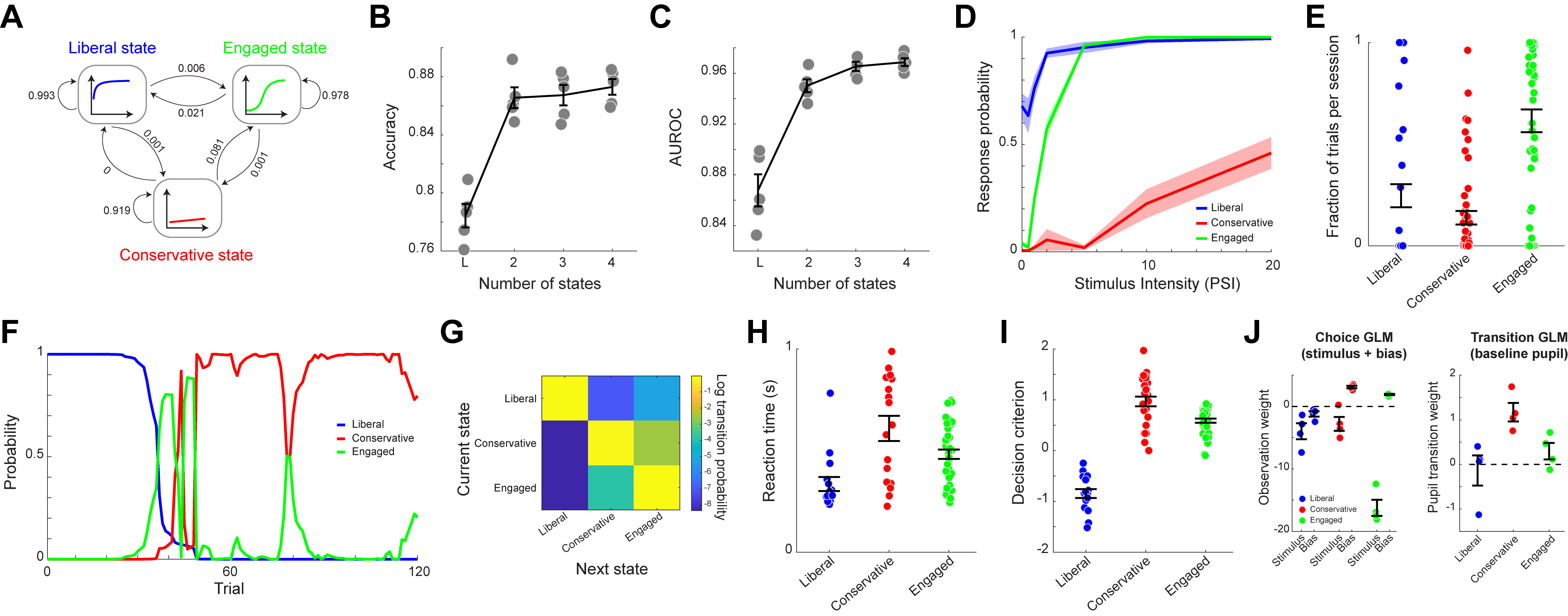
For my postdoc training, I decided to switch gears from computational to experimental neuroscience, which has been an incredible learning opportunity. In 2023, I joined Prof. Qi Wang's lab in the Biomedical Engineering Department at Columbia University to study the neural mechanisms of decision making in mice using techniques like electrophysiology, fiber photometry, and chemogenetics. In one project, we characterized the temporal relationship between spiking activity in single neurons and the phase of ongoing alpha oscillations during spontaneous activity while mice performed a tactile decision making task. We found that alpha phase modulation of spiking activity was ubiquitous in neocortex but rare in subcortical structures. Alpha modulated neurons exhbited greater task-related changes in the firing dynamics than their unmodulated counterparts. Furthermore the strength and ubiquity of alpha modulation correlated with behavior, suggesting that lapses in attention or task-engagement are accompanied by weaker alpha modulation. In another project, we studied the the role of cortical noradrenergic dynamics during a tactile decision making task. We used behavior modeling, pupillometry, and recordings of GRABNE to show that behavioral strategies, noradrenergic dynamics, and task performance were strongly associated with pupil-linked arousal. In 2026, I received a Canada Impact+ Postdoctoral Research Training Grant to fund my continued research in attention and decision making at McGill University.
Multiscale Computational Neuroscience
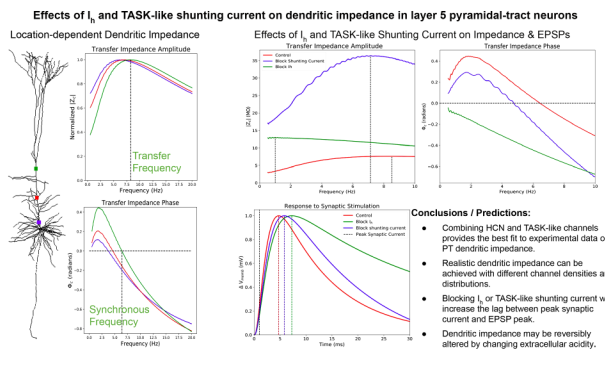
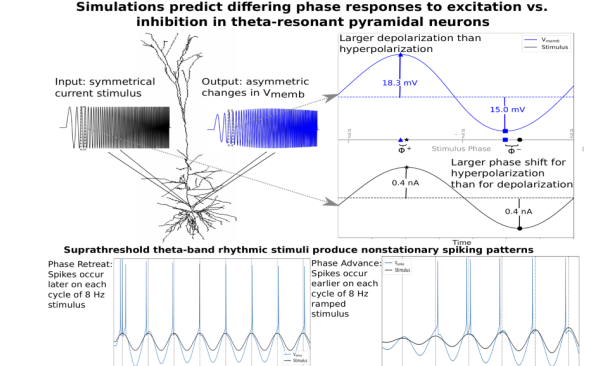
I performed my graduate research under the direction of Prof. William Lytton at SUNY Downstate Health Sciences University, where I used multiscale, biophysically detailed computer models to study excitability in neural systems. In one project, using morphologically and biophysically detailed models of neocortical theta-resonant pyramidal neurons, we showed that a combination of hyperpolarization-activated cyclic nucleotide gated (HCN) channels and TWIK-associated acid sensitive (TASK)-like channels were necessary to produce the electrical properties of those neurons observed experimentally. We also augmented electrical impedance analysis to characterize phase shifts between large-amplitude current stimuli and nonlinear, asymmetric membrane potential responses in those neurons. Our simulations predicted different frequency-dependent phase shifts in response to excitation versus inhibition, as well as shifts in spike timing over multiple input cycles. Our results suggest differential responses of cortical neurons depending on the frequency of oscillatory input, which will play a role in neuronal responses to shifts in network state.
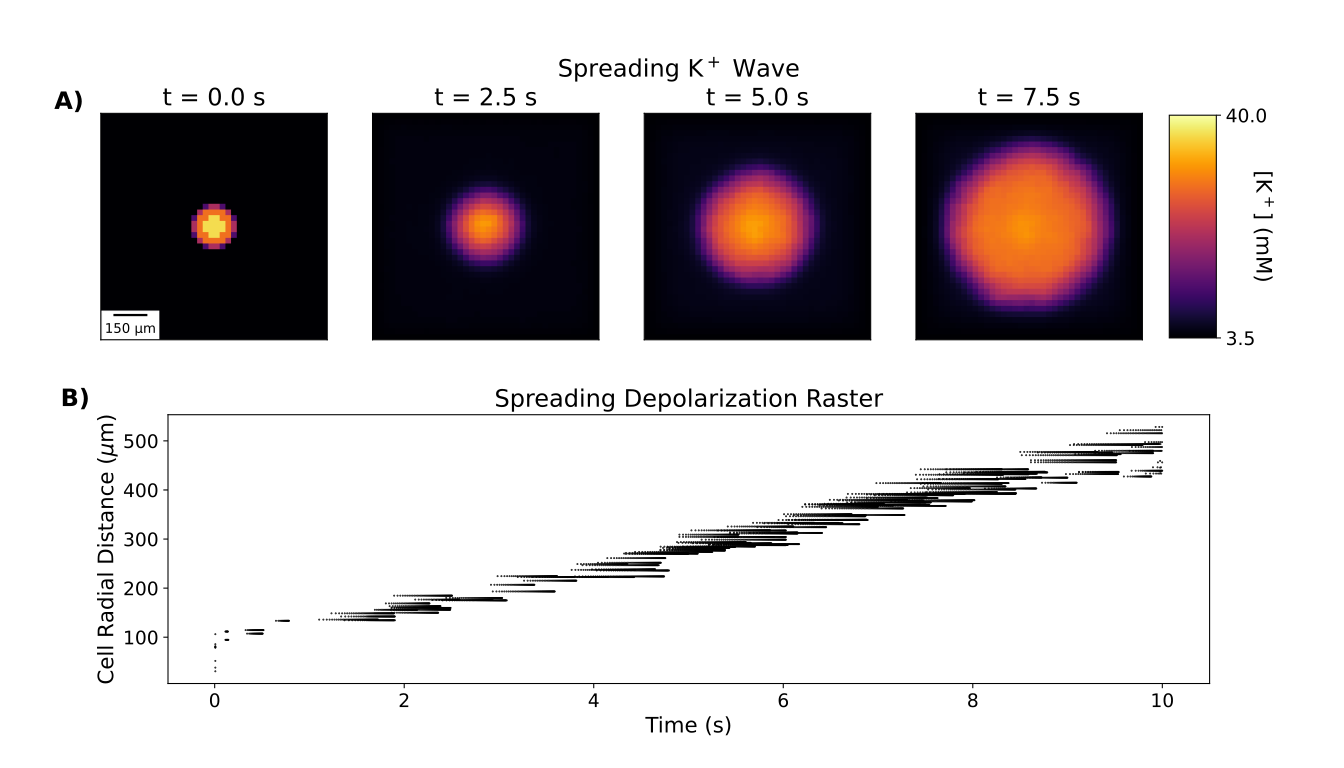
In a separate study, we developed a computer model of spreading depolarization (SD) in brain slices using the NEURON simulator: 36,000+ neurons in the extracellular space (ECS) of a slice with ion and O2 diffusion and equilibration with a surrounding bath. Simulations reproduced key features of SD, including its speed moving across the tissue and firing properties of individual neurons, and led to a number of experimentally-testable predictions.
Neurodegneration
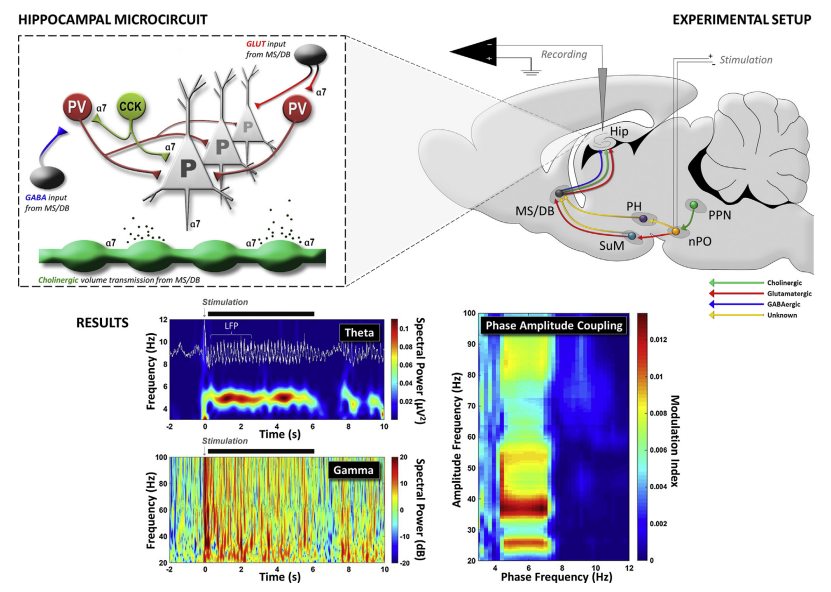
I began working in neuroscience in earnest with Prof. Mihaly Hajos at Yale School of Medicine, focusing on identifying biomarkers of neurodegenerative disorders and potential pharmacological treatments for them. My roles in this work included developing analysis tools for electrophysiology data, performing electrophysiology and brain stimulation experiments in anesthetized rodents, and recording spontaneous and evoked local field potentials (LFPs) in freely moving rats. We tested the effects of various α7 nicotinic acetylcholine receptor agonists on hippocampal LFP oscillations in mouse models of Alzheimer's disease (AD) and control mice and found that they enhanced theta oscillations and cross-frequency coupling. We also characterized a number of pathophysiological cortical oscillations in a rat model of AD. Specifically, we found that AD rats exhibited epileptiform phenomena, and these discharges were reduced, if not eliminated, by treating the animal with donepezil, a drug commonly prescribed for AD patients whose mechanisms remain incompletely understood. I also collaborated with Prof. Peter Bergold's group on a project characterizing long-term and progressive motor, anatomical, and functional defecits in mice following a single traumatic brain injury.
Learning, Memory, and Navigation
Working with Prof. Michael Hasselmo at Boston University, I supported a number of research projects in the lab as a Programmer/Analyst. My primary responsibilities were developing and maintaining software tools for analysis of in vitro and in vivo electrophysiology behavior (single cells, single units, LFPs), as well as behavioral data. In one project, we analyzed the speed coding properties of neurons in entorhinal cortex and found they coded for animal speed with varying degrees of accuracy at different time scale, and speed coding was not dependent on inputs from medial septum.